
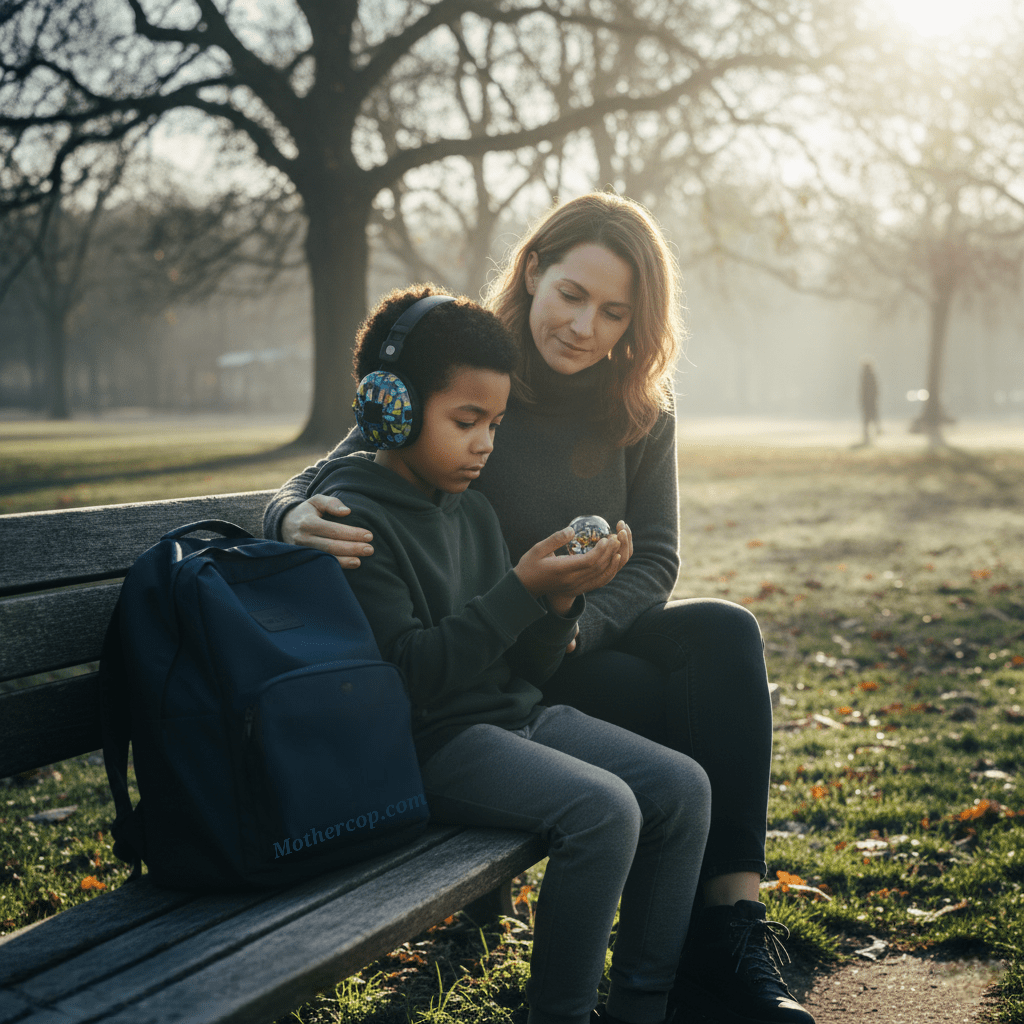
Goodbye sippy cup! Like any parent, watching your kids meet their milestones gives you a warm feeling of validation that you are doing a good job as a parent. I didn’t have my mind set on not seeing poop smeared over my floors and walls just yet. Or even better—the luxury of not having to buy pull-ups as much. I’m finally getting accustomed to hearing his angelic voice daily and his frequent laughter.
I am most proud of his progress but, unfortunately, some of his challenges also progressed with him.
Pharo is now 5 years old. He’s a growing boy, and so his punches and kicks are getting a bit harder and more frequent. He is still challenged with speech and comprehension to an extent. He’s gained several new words in his vocabulary and lost some—and so, he’s become a little more difficult to restrain when upset.
Aggression can be a challenging behavior observed in individuals with autism spectrum disorder (ASD). It is important to note that not all individuals with autism exhibit aggressive behaviors, and the reasons behind aggression can vary from person to person.
Some potential factors that may contribute to aggression in individuals with autism include:
Communication difficulties: Individuals with autism may have challenges in expressing their needs and emotions verbally, leading to frustration that can manifest as aggression. Pharo can sing all his nursery rhymes but cannot hold a conversation of no sort. And so, when he attempts to express himself but can’t, he resorts to hitting.
Sensory sensitivities: People with autism may experience sensory sensitivities that can trigger aggressive behaviors in response to overwhelming stimuli such as loud noises, bright lights, or certain textures.
Difficulty with change: Routine and predictability are important for many individuals with autism, and changes in routine or unexpected transitions can provoke aggression as a response to feeling anxious or out of control. Pharo transforms into a mini hulk when his routine is changed. I try my best to maintain his routine, but sometimes, life happens. I got a flat tire on our way to school one morning and had to divert to a tire shop. The minute I turned off, he broke out of his car seat and attacked me while driving. By the time I had gotten to his school, I needed security to assist in taking him out of the car.
Medical issues: Some individuals with autism may have co-occurring medical conditions or sensory processing issues that contribute to discomfort or pain, leading to aggressive behaviors as a way of communicating distress.
Emotional regulation challenges: Many individuals with autism may struggle with regulating their emotions and impulses, making it harder for them to manage feelings of anger or frustration effectively.
Caregivers, educators, and therapists must work together to understand the underlying causes of aggression in individuals with autism and implement appropriate strategies to support their needs. This may include developing personalized behavior plans, providing sensory accommodations, teaching alternative communication methods, and promoting social skills development.
By addressing the root causes of aggression and providing targeted interventions, it is possible to help individuals with autism learn more adaptive ways of coping with their emotions and interactions, leading to improved overall well-being and quality of life.
I sympathize with the parents, families, caregivers, educators, and Doctors on the other side of an Autistic individual’s fist.
Many single parents of Autistic individuals face Autism and aggression daily, but keep it all in. I say, even if it’s one person you can open up to, please do. Get a babysitter for a day if only and take some quality time to start rebuilding your peace of mind.


Leave a comment