
Not only is ASD a “Rich Man’s Disease” as it’s often referred to by many, but it’s also—if not, the most controversial topic in the disorder and disability arena today. With World Autism Awareness Month rapidly approaching on April 2nd—persons living with Autism Spectrum Disorder—along with their supported family members all across the globe, will once again have to endure the confusing day of seeing the innumerable different logos set out to represent the developmental disorder.
Established in 2008 by the United Nations, World Autism Awareness Day was formed to bring awareness to the Neurological condition. Over the years, the controversy stemmed over the logos used by different organizations to represent autism spectrum disorder and its entirety. As of lately, they’ve been speaking up and speaking out! The autistic community feels that some logos like puzzle pieces misrepresent Autism and send a more demeaning and negative insight of the condition.
Even classifying ASD as a “disability” sometimes stems controversy. Some autistic individuals on the higher functioning side, advocate that there isn’t anything wrong with them and choose to live their lives as such—encouraging others to just accept them for who they are. It was said that we are all “beautifully and wonderfully made in His image.” Let us not forget it.
I’ve come across innumerable posts on many different social media platforms, of Autistic families and individuals criticizing the well-known Autism Speaks Foundation for their puzzle piece logo, which is their trademark for Autism Awareness and to represent Autistic individuals as a whole.
Because this was if not still is—the biggest organization recognizing Autism Spectrum Disorder in America, the puzzled piece and its entirety was adopted as the symbol for Autism.
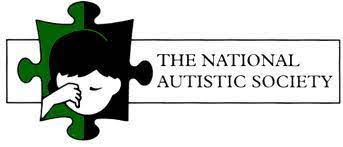
One of the pressing issues with this by the Autistic community is that the puzzled piece derived all the way back from the National Autism Society in the UK in 1963. Their logo was “the puzzle piece with a crying child”. The society depicted that Autism was a dreadful disease and that children living with Autism is “puzzling” or “a mystery” hence the reason for their challenges.
At one point, Autism Speaks and all of its ableism relayed the message that Autism is a disease and that it can be cured with more testing and necessary research, as appose to using its platform to just spread awareness and acceptance. They made it known that ASD isn’t a disorder that should be embraced due to the life struggles it poses on a family and the individual. The logo is just one of the many concerns expressed publicly by people affected by Autism of mega organizations like Autism Speaks.
LIGHT IT UP, WHAT?
Fast forward to 2022. While a few foundations have since changed their logos set out to represent Autism, some dropping the puzzle piece completely—Autism speaks kept their puzzle piece logo but changed its color from all blue—as it initially thought that Autism affected mostly only boys—to a blue with a little iridescent pink and purple, after being criticized for the misinformation.

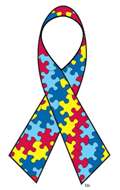

This doesn’t mean that the wrong messages haven’t already done their damages. From mega children’s hospitals around the world to small supportive groups—countless logos have come about throughout the world to spread Autism Awareness using puzzle pieces. And it seems as if people still haven’t learned that it clearly isn’t wanted by the majority of people that the cause affects the most.

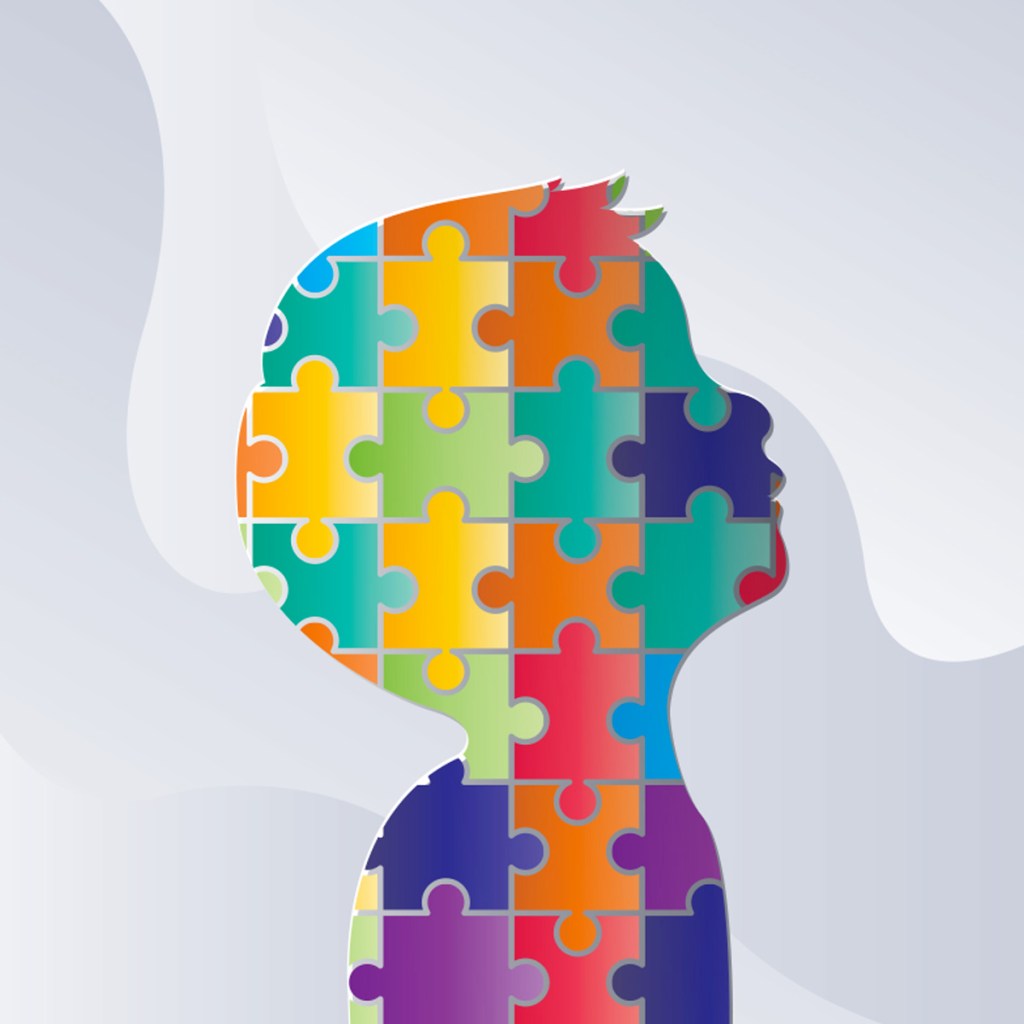
ASD is a neurological disorder that affects people in different ways and on different levels but so do other disabilities and disorders that others live with on a daily basis.
As the Mother to a toddler that’s affected by Autism on a moderate to severe scale, I look forward to the day that there is but one single logo of unity that represents Autism meticulously and in a positive manner.
Which logo are you and your family using this year to represent World Autism Awareness Month?


Leave a comment